Rice husk
is a sustainable, high-value agricultural by-product widely used for biomass fuel, soil improvement, and eco-friendly industrial solutions.
About Rice Husk
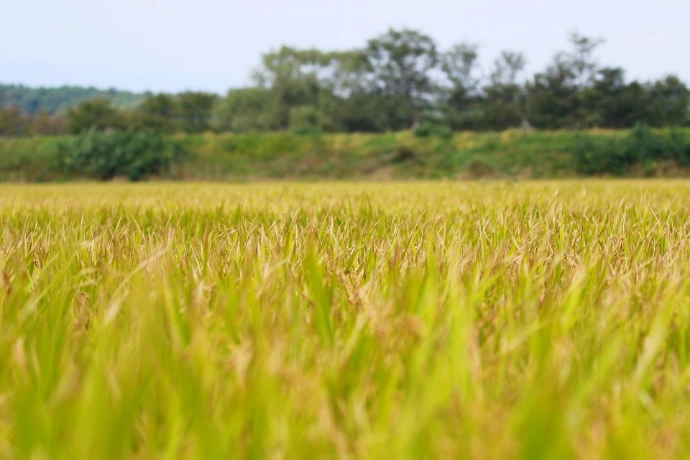
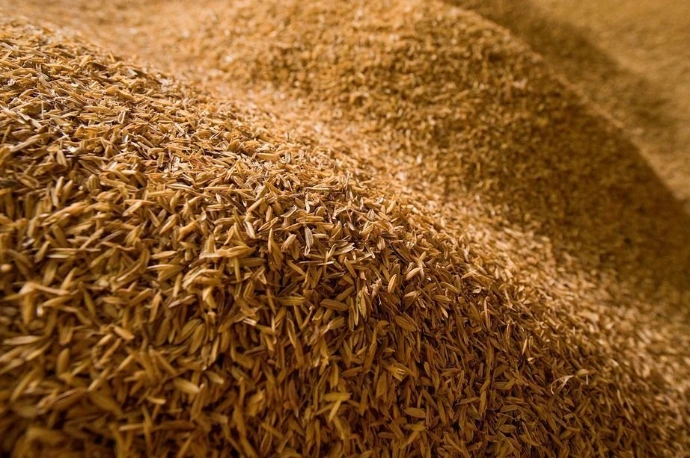
Rice husk, also known as rice hull, is the hard outer covering of rice grains that is removed during the milling process. It is an abundant agricultural by-product, especially in rice-producing regions, and is widely used across multiple industries due to its durability, low cost, and eco-friendly nature.
Rice husk is lightweight, rich in silica, and resistant to moisture and decay. Because of these properties, it has become a valuable raw material for energy production, construction, agriculture, and industrial applications.
Key Characteristics of Rice Husk
- High silica content (approximately 15–20%)
- Low bulk density and lightweight structure
- Resistant to fungal growth and pests
- Slow decomposition rate
- Environmentally friendly and biodegradable
Common Uses of Rice Husk
Fuel and Energy Production
Rice husk is widely used as a biomass fuel in boilers, furnaces, and power plants. It burns efficiently and produces significant heat, making it a cost-effective alternative to fossil fuels.
Agriculture and Animal Bedding
In agriculture, rice husk is used as:
- Livestock and poultry bedding
- Soil conditioner and mulch
- Component in composting
It improves soil aeration and helps retain moisture.
Construction and Building Materials
Rice husk ash (RHA), produced after controlled burning, is used in:
- Cement and concrete manufacturing
- Bricks and insulation materials
- Lightweight building blocks
Industrial Applications
Rice husk is used in:
- Production of silica and silicon compounds
- Water filtration systems
- Packaging materials
- Manufacturing of particle boards and panels
Environmental Benefits
Rice husk utilization reduces agricultural waste, lowers carbon emissions, and promotes sustainable resource management. Instead of being discarded or burned openly, processed rice husk contributes to cleaner energy and eco-friendly products.
Storage and Handling
Rice husk should be stored in a dry, well-ventilated area to prevent moisture absorption. Proper handling ensures long-term usability and maintains its quality for industrial or agricultural use.